Traps
Brief, practical notes with an archival feel—meant to be printed and carried.
-
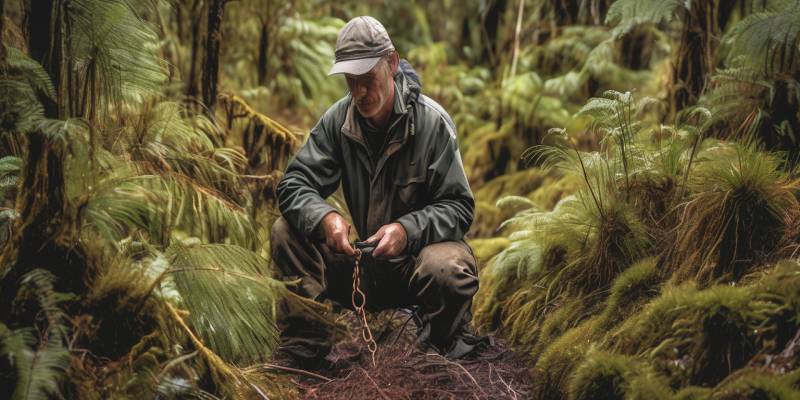
How to Set Up Traplines in the Rotorua Bush (NZ): Planning, Placement, and Safe Predator Control
Learn how to set up traplines in the Rotorua bush with a practical, step-by-step guide covering permissions, trap selection, safe placement, bait and lure tips, spacing, navigation and marking, checking schedules, humane dispatch, biosecurity hygiene, and record-keeping. Designed for Rotorua conditions and New Zealand predator control best practice for possums, rats, stoats, and feral cats.
-
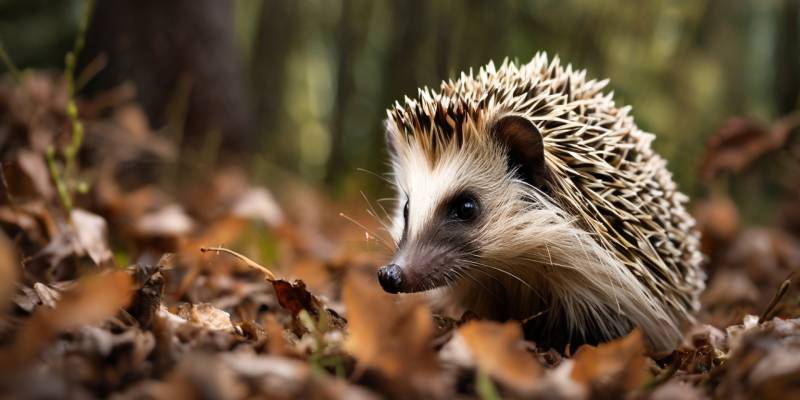
Why Hedgehogs Are Considered a Pest in New Zealand Ecosystems: Impacts on Native Wildlife and Biodiversity
Learn why hedgehogs are a pest in New Zealand ecosystems, including how introduced hedgehogs prey on native birds, eggs, lizards, and invertebrates. This article explains their ecological impact, threats to biodiversity, and why hedgehog control is important for protecting vulnerable native species.
-
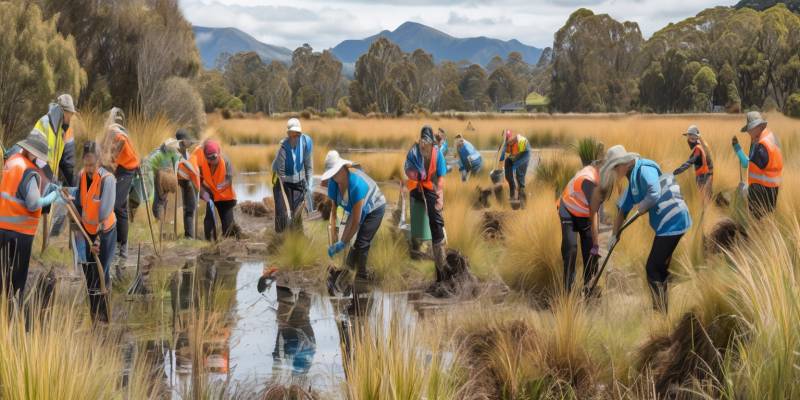
Community Conservation in Rotorua and Why It Matters for Biodiversity, Waterways, and Future Generations
Explore community conservation in Rotorua and why it matters-how local volunteers, iwi-led initiatives, and conservation groups protect native biodiversity, restore wetlands and lakes, control invasive pests, and strengthen climate resilience. Learn the benefits of Rotorua conservation projects for waterways, wildlife habitat, eco-tourism, and community wellbeing.
-
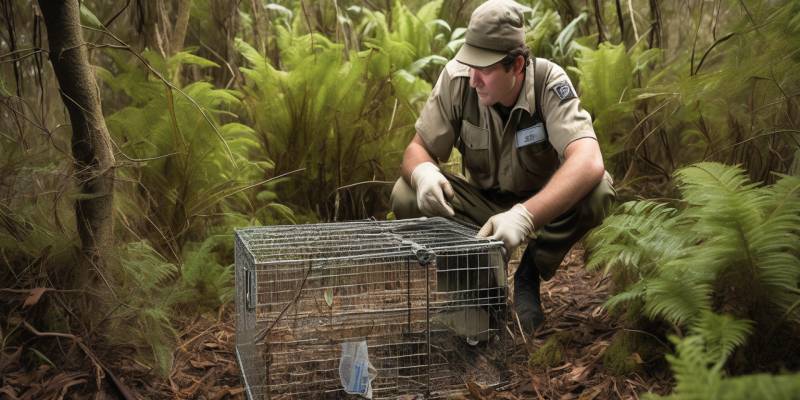
Animal Welfare Act and Trapping Rules in New Zealand: Legal Requirements, Humane Standards, and Best Practices for Compliant Trapping
Learn how the Animal Welfare Act applies to trapping rules in New Zealand, including humane trapping requirements, legal responsibilities for trap use, welfare standards for captured animals, prohibited practices, and practical guidance to stay compliant when controlling pests or managing wildlife.
-
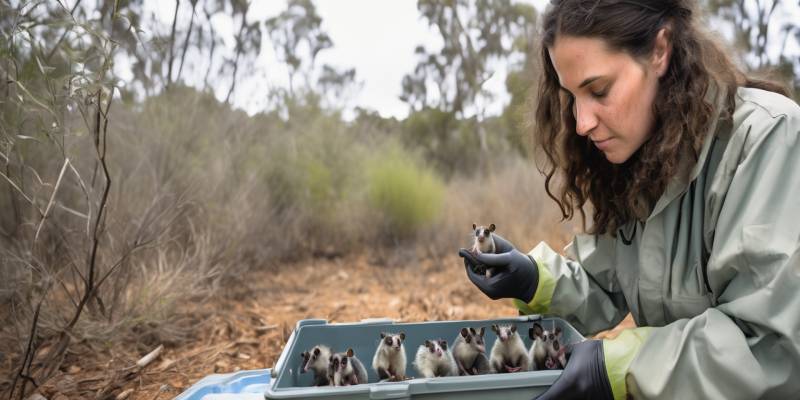
Prefeed Techniques for Possums in Field Projects: Proven Methods to Improve Bait Uptake and Control Outcomes
Learn effective prefeed techniques for possums in field projects, including bait selection, timing, placement strategies, and monitoring methods to increase bait acceptance, improve control efficiency, and support successful wildlife management operations.
-
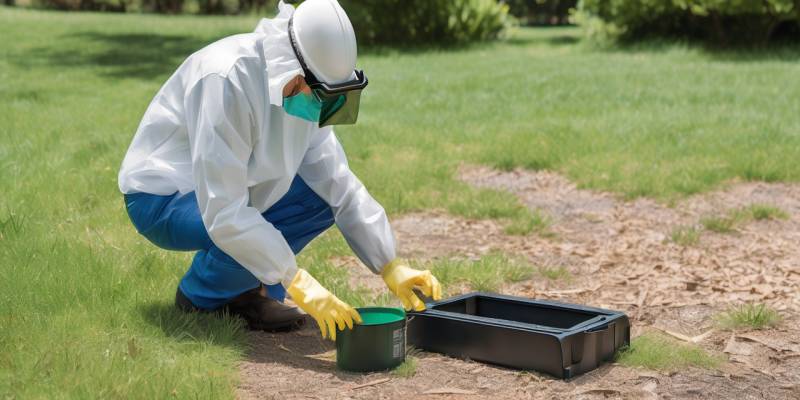
How to Use a DOC200 Trap Correctly: Step-by-Step Setup, Placement, Safety, and Maintenance Tips
Learn how to use a DOC200 trap correctly with clear, step-by-step instructions. This guide covers proper setup, best placement locations, baiting tips (if applicable), safety precautions, inspection frequency, humane handling or disposal guidelines, and maintenance to keep your DOC200 trap effective and compliant.
-
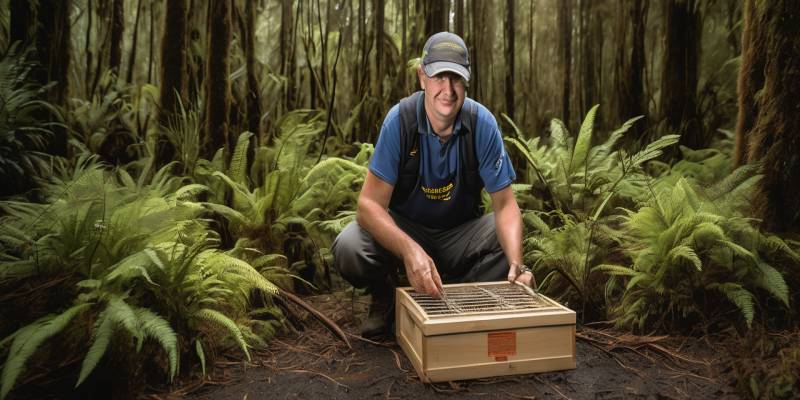
Sponsor a Trap in Rotorua and Support Conservation: Protect Native Wildlife and Restore Local Habitats
Sponsor a trap in Rotorua and support conservation efforts that protect native birds and restore local ecosystems. Your trap sponsorship helps fund predator control, ongoing monitoring, and community-led projects across Rotorua’s forests and reserves-making a measurable difference for biodiversity in the Bay of Plenty.
-
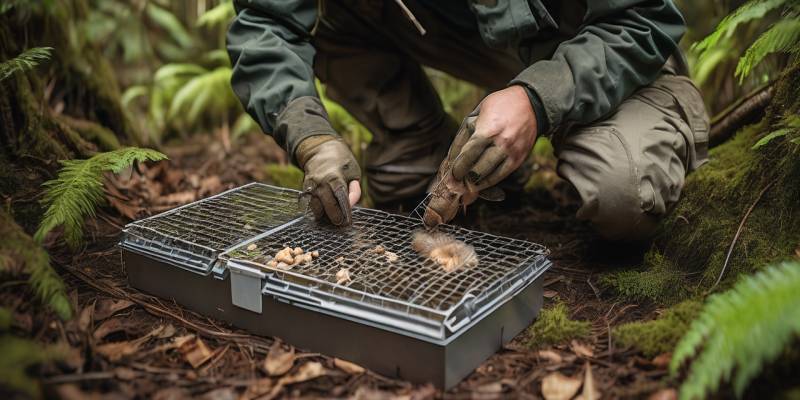
Rat Trapping Guide for New Zealand Conservation Work: Best Practices, Trap Types, and Safe Setup for Predator Control
A practical rat trapping guide for New Zealand conservation work, covering how to choose the right trap, where to place trap lines, bait selection, safe handling, checking schedules, humane dispatch requirements, recording results, and biosecurity steps to protect native wildlife during predator control operations.
-

Bats
After extensive monitoring around the course bats were detected at almost every location with constant nightly activity in some areas and tours will feature them
-

Archives
Archive page featuring Rotorua Canopy Tours bat hunt, first prefeed trap feeding and preparation of ten kilometres of trapping lines in the Dansey Road Scenic area
-

Advocate
Advocate Print supports the local community and the Forest Restoration Project with quality printing services and has recorded stoat control actions in the area.
-
Pestcontrol
No matter if you live in a city town or in the country you can help reduce pest numbers by using traps at home protecting native birds from rodents