Hedgehogs
Dear reader any time we talk about trapping pests in New Zealand we automatically think of Rats or Possums or other equally nasty critters causing all sorts of problems. Not often are Hedgehogs thought of as a problem species in fact most people think fondly of them.
They were first introduced from Britain in 1870 to control garden pests such as slugs snails and grass grubs.
Throughout much of the 20th century New Zealand born hedgehogs were liberated in many parts of the country from those few animals hedgehog numbers increased dramatically. In the 1920s hedgehogs were so numerous that they were blamed for reducing the tally of small game birds and a bounty was put on their noses. By the 1950s hedgehog numbers reached their maximum. To judge by roadkill figures hedgehogs were 50 times more numerous in New Zealand than anywhere else. Since the 1950s their numbers have fallen but over large parts of New Zealand hedgehogs are still more numerous than in Britain.
The extent to which hedgehogs impact upon the New Zealand environment is only recently beginning to be understood in any detail. Here is a summary of findings
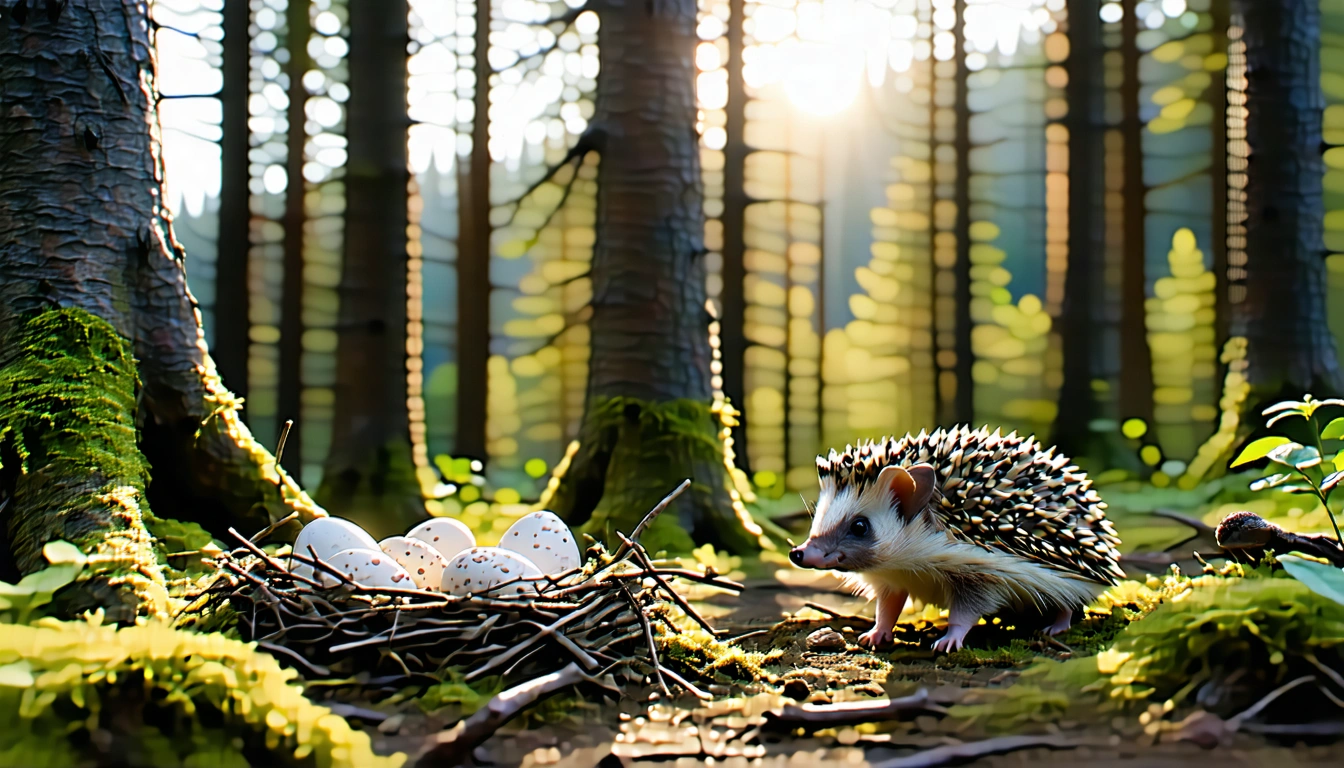
Hedgehogs are proven to be a major predator on eggs of riverbed breeding birds such as banded dotterel and black fronted tern and have been known to kill and eat chicks of a variety of ground nesting birds.
In the MacKenzie Basin South Island hedgehogs have been found to be responsible for one in five predator attacks on nests.
Hedgehogs have a voracious appetite for invertebrates and take many local endemic species. They are known to eat the rare giant native centipede and a number of other rare insects.
One hedgehog was found with 283 weta legs in its stomach.
They have been known to eat the native snail Wainuia urnula. Lowland populations of Powelliphanta snails may also be severely affected particularly the Patarau and Otaki sub species. Only smaller juvenile snails are eaten but this severely affects recruitment and population recovery.
Hedgehogs also prey upon lizards particularly in cooler periods when lizard activity slows. Skinks are particularly at risk.
It is possible that hedgehogs also prey on endemic frog species as they are known to take introduced frogs and their range overlaps with some New Zealand frog species.
This being the case I was contacted by a Rotorua local who keeps chickens. It seems eggs had been going missing with no explanation as to what might have been taking them.
I immediately thought RAT As chooks chook food and eggs are a tempting target for a hungry rat. On surveying the site I set a DOC 200 trap and one of our enclosed rat traps as these are both bird proof and safe to set inside the chicken coop.
Here they are in position note the wooden DOC 200 is set undercover while the white rat trap is set next to a wall as rats love running along the edges of structures rather than out in the open. Nothing happened for several days but trapping is a patience game and we were rewarded but not with a rat but rather a HedgeHog.
This is the likely culprit and egg bandit killers lurk even in the middle of suburban Rotorua. Just a couple of traps on your property is likely to increase the birdlife and even the populations of Weta and Skinks that live in your garden.
This kind of thing has been happening now for centuries slowly degrading the number and diversity of native animals you are likely to see and it usually happens at night so we are unaware of it happening until one day we realize somethings different but usually this is far to late to do something about it. Many older people from my area can recount stories of hearing Kiwi and other rare creatures from their youth when these animals were still about but nothing was done and now they are gone.
Dont be shy set those traps and ensure there are New Zealand species are still about for our children and grand children to see enjoy and wonder over.
COMMENTS
Future threadRelated Articles