Community Trapline Revival Stewardship • Skills • Seasonal knowledge

Land-based renewal, led by community

Reviving traplines as living classrooms

A grounded landing template for programs rebuilding trail knowledge, stewardship practice, and intergenerational safety on the land—season by season, line by line, with clear wayfinding and documentary tone.

Mentorship pairs & knowledge camps
Trail maintenance & mapping
Wildlife respect & reporting
Explore Field Notes Volunteer Intake
Forest trail and winter light
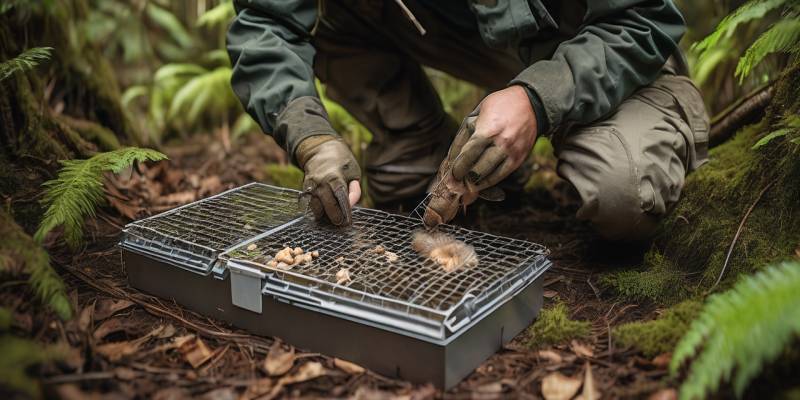
Trail checks, done right Safety briefings, shared radios, and respectful route plans.
Community camp circle outdoors
Intergenerational learning Skills taught with patience—tools, stories, and responsibilities.
River bend and topo map feel
Mapping the line Seasonal nodes, braided routes, and clear wayfinding labels.

Field Notes Dispatch

Short updates in a field-guide cadence—what changed on the line, what we repaired, what we learned.

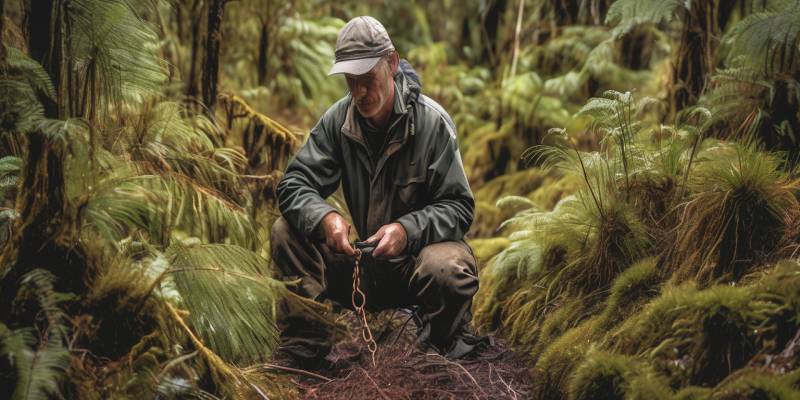
How to Set Up Traplines in the Rotorua Bush (NZ): Planning, Placement, and Safe Predator Control

How to Set Up Traplines in the Rotorua Bush (NZ): Planning, Placement, and Safe Predator Control

Learn how to set up traplines in the Rotorua bush with a practical, step-by-step guide covering permissions, trap selection, safe placement, bait and lure tips, spacing, navigation and marking, checking schedules, humane dispatch, biosecurity hygiene, and record-keeping. Designed for Rotorua conditions and New Zealand predator control best practice for possums, rats, stoats, and feral cats.
Updated: 2026-02-18Read
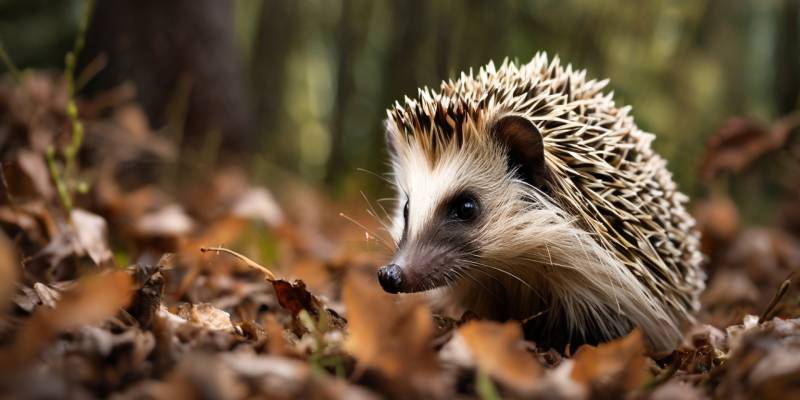
Why Hedgehogs Are Considered a Pest in New Zealand Ecosystems: Impacts on Native Wildlife and Biodiversity

Why Hedgehogs Are Considered a Pest in New Zealand Ecosystems: Impacts on Native Wildlife and Biodiversity

Learn why hedgehogs are a pest in New Zealand ecosystems, including how introduced hedgehogs prey on native birds, eggs, lizards, and invertebrates. This article explains their ecological impact, threats to biodiversity, and why hedgehog control is important for protecting vulnerable native species.

Updated: 2026-02-02Read
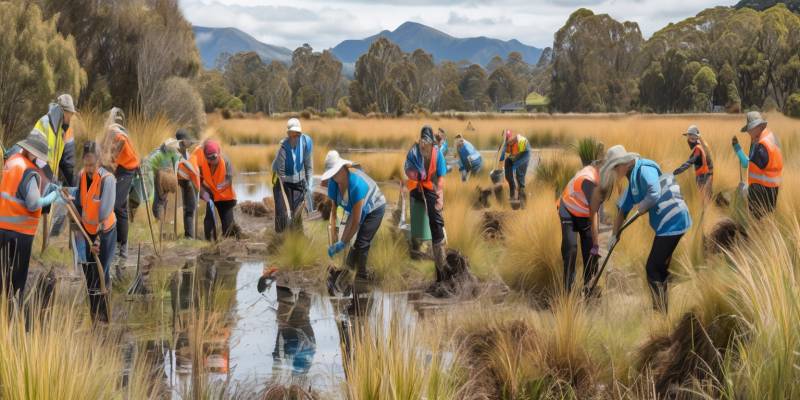
Community Conservation in Rotorua and Why It Matters for Biodiversity, Waterways, and Future Generations

Community Conservation in Rotorua and Why It Matters for Biodiversity, Waterways, and Future Generations

Explore community conservation in Rotorua and why it matters-how local volunteers, iwi-led initiatives, and conservation groups protect native biodiversity, restore wetlands and lakes, control invasive pests, and strengthen climate resilience. Learn the benefits of Rotorua conservation projects for waterways, wildlife habitat, eco-tourism, and community wellbeing.

Updated: 2026-01-10Read
Animal Welfare Act and Trapping Rules in New Zealand: Legal Requirements, Humane Standards, and Best Practices for Compliant Trapping

Animal Welfare Act and Trapping Rules in New Zealand: Legal Requirements, Humane Standards, and Best Practices for Compliant Trapping

Learn how the Animal Welfare Act applies to trapping rules in New Zealand, including humane trapping requirements, legal responsibilities for trap use, welfare standards for captured animals, prohibited practices, and practical guidance to stay compliant when controlling pests or managing wildlife.

Updated: 2025-12-08Read
Prefeed Techniques for Possums in Field Projects: Proven Methods to Improve Bait Uptake and Control Outcomes

Prefeed Techniques for Possums in Field Projects: Proven Methods to Improve Bait Uptake and Control Outcomes

Learn effective prefeed techniques for possums in field projects, including bait selection, timing, placement strategies, and monitoring methods to increase bait acceptance, improve control efficiency, and support successful wildlife management operations.

Updated: 2025-11-05Read
How to Use a DOC200 Trap Correctly: Step-by-Step Setup, Placement, Safety, and Maintenance Tips

How to Use a DOC200 Trap Correctly: Step-by-Step Setup, Placement, Safety, and Maintenance Tips

Learn how to use a DOC200 trap correctly with clear, step-by-step instructions. This guide covers proper setup, best placement locations, baiting tips (if applicable), safety precautions, inspection frequency, humane handling or disposal guidelines, and maintenance to keep your DOC200 trap effective and compliant.

Updated: 2025-10-04Read
Sponsor a Trap in Rotorua and Support Conservation: Protect Native Wildlife and Restore Local Habitats

Sponsor a Trap in Rotorua and Support Conservation: Protect Native Wildlife and Restore Local Habitats

Sponsor a trap in Rotorua and support conservation efforts that protect native birds and restore local ecosystems. Your trap sponsorship helps fund predator control, ongoing monitoring, and community-led projects across Rotorua’s forests and reserves-making a measurable difference for biodiversity in the Bay of Plenty.

Updated: 2025-09-08Read
Rat Trapping Guide for New Zealand Conservation Work: Best Practices, Trap Types, and Safe Setup for Predator Control

Rat Trapping Guide for New Zealand Conservation Work: Best Practices, Trap Types, and Safe Setup for Predator Control

A practical rat trapping guide for New Zealand conservation work, covering how to choose the right trap, where to place trap lines, bait selection, safe handling, checking schedules, humane dispatch requirements, recording results, and biosecurity steps to protect native wildlife during predator control operations.

Updated: 2025-09-04Read
Bats

Bats

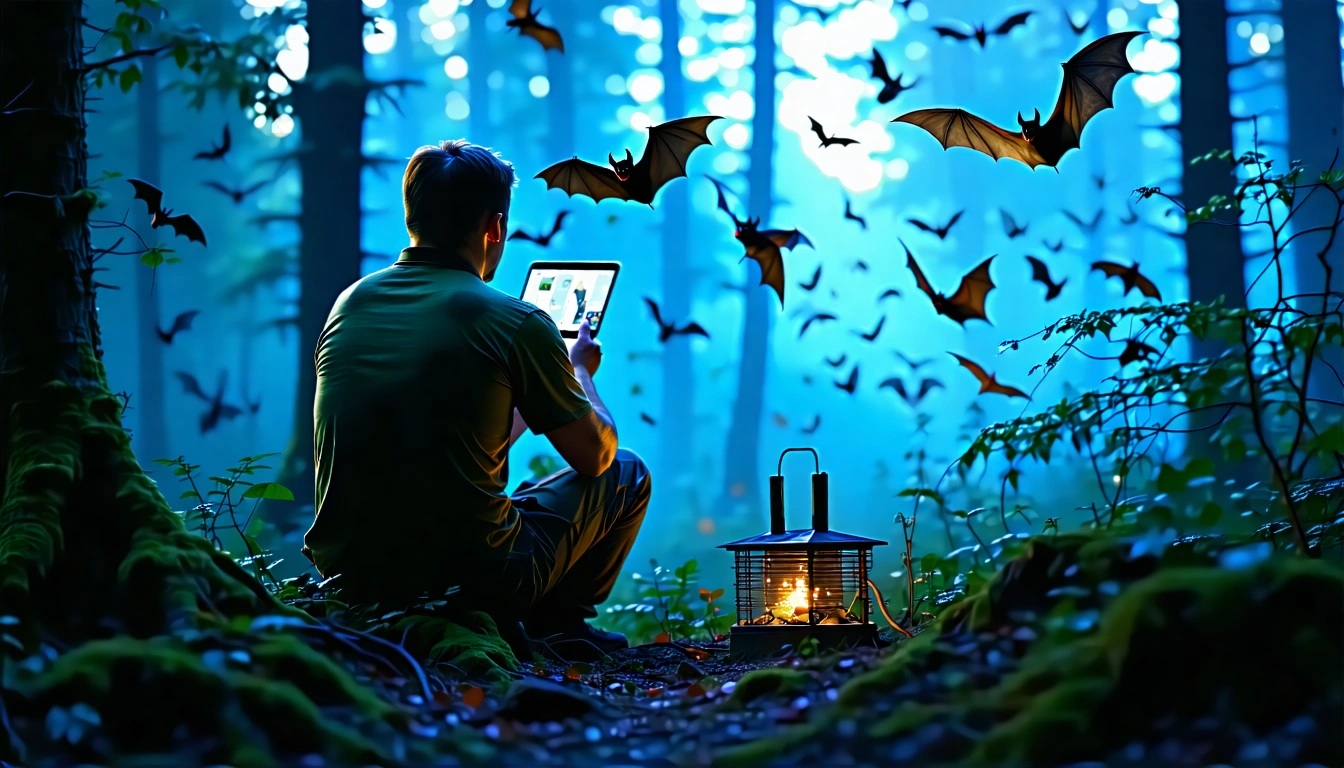
After extensive monitoring around the course bats were detected at almost every location with constant nightly activity in some areas and tours will feature them

Updated: 2024-05-01Read
Archives

Archives

Archive page featuring Rotorua Canopy Tours bat hunt, first prefeed trap feeding and preparation of ten kilometres of trapping lines in the Dansey Road Scenic area

Updated: 2024-03-11Read
Advocate

Advocate

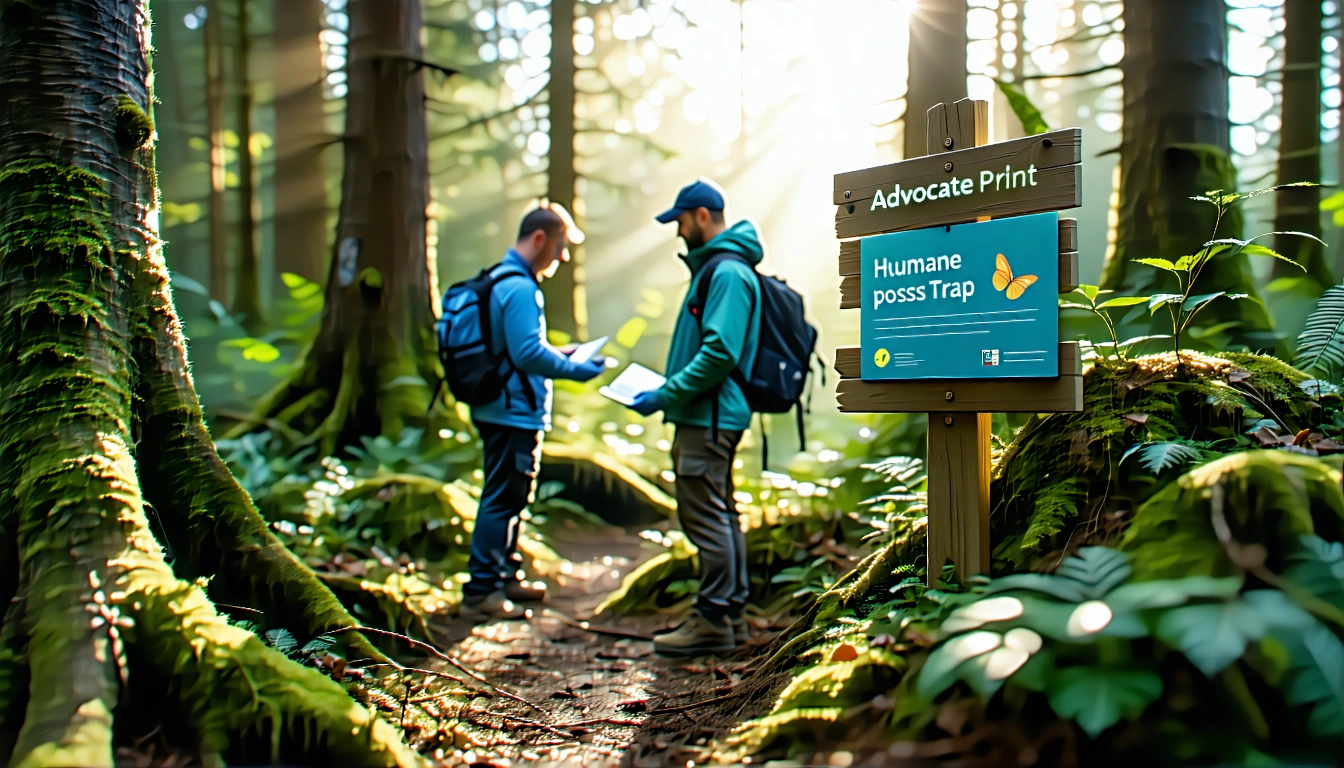
Advocate Print supports the local community and the Forest Restoration Project with quality printing services and has recorded stoat control actions in the area.

Updated: 2023-09-15Read
Pestcontrol

Pestcontrol

No matter if you live in a city town or in the country you can help reduce pest numbers by using traps at home protecting native birds from rodents

Updated: 2014-06-01Read

Seasonal Path Updates

A braided route through the year—nodes for planning, checks, and shared responsibilities.

How to Donate to Forest Restoration in New Zealand: Trusted Charities, Tree-Planting Projects, and Tips to Maximize Your Impact

How to Donate to Forest Restoration in New Zealand: Trusted Charities, Tree-Planting Projects, and Tips to Maximize Your Impact

Learn how to donate to forest restoration in New Zealand with confidence. This guide covers reputable native reforestation charities and community tree-planting projects, how to choose high-impact programs, what your donation funds (seedlings, pest control, maintenance), tax-deductible giving options, and practical tips for supporting long-term forest regeneration across Aotearoa.

Updated: 2026-04-09Read
Rotorua Forest Restoration Project and How It Works: Planting, Pest Control, Community Action, and Long-Term Monitoring

Rotorua Forest Restoration Project and How It Works: Planting, Pest Control, Community Action, and Long-Term Monitoring

Explore the Rotorua forest restoration project and how it works-from site assessment and native planting plans to pest and weed control, erosion management, community volunteering, and ongoing monitoring. Learn how restoration partners improve biodiversity, protect waterways, strengthen habitat for native birds and insects, and create a healthier, more resilient forest landscape in Rotorua.

Updated: 2026-03-17Read
Predator Control in Rotorua Forests: Protecting Native Wildlife Through Trapping, Monitoring, and Community Action

Predator Control in Rotorua Forests: Protecting Native Wildlife Through Trapping, Monitoring, and Community Action

Learn how predator control in Rotorua forests helps protect native wildlife by reducing threats from possums, stoats, rats, and feral cats. Explore effective methods such as trapping networks, bait stations, tracking and monitoring tools, and community-led conservation programs that support birdlife recovery and healthier forest ecosystems in the Rotorua region.

Updated: 2025-12-12Read
Safety Guidelines for Bush Trapping Volunteers: Essential Field Protocols, Risk Management, and Humane Handling Practices

Safety Guidelines for Bush Trapping Volunteers: Essential Field Protocols, Risk Management, and Humane Handling Practices

Learn practical safety guidelines for bush trapping volunteers, including pre-trip planning, PPE and hygiene, safe trap setup and checks, wildlife handling precautions, navigation and communication protocols, weather and terrain risk management, vehicle safety, emergency response steps, and humane animal welfare practices to keep volunteers safe in remote field conditions.

Updated: 2025-08-01Read
Possum Trapping Tips for New Zealand Bush Projects: Practical Advice for Effective, Humane Pest Control

Possum Trapping Tips for New Zealand Bush Projects: Practical Advice for Effective, Humane Pest Control

Learn practical possum trapping tips for New Zealand bush projects, including trap selection, safe and humane setup, bait and lure ideas, placement strategies, checking routines, and best-practice pest control methods to protect native birds and restore bush areas.

Updated: 2025-05-07Read
Peanut Butter Bait for Rats and When It Works Best: Tips, Traps, Placement, and Common Mistakes

Peanut Butter Bait for Rats and When It Works Best: Tips, Traps, Placement, and Common Mistakes

Learn how to use peanut butter bait for rats and when it works best. This guide covers why rats are attracted to peanut butter, the best trap types, baiting techniques, ideal placement locations, seasonal timing, and mistakes that reduce catch rates-plus safer alternatives when peanut butter isn’t effective.

Updated: 2025-04-09Read
DOC250 Trap Placement Tips for Better Results: Proven Set Locations, Lure Use, and Setup Tweaks

DOC250 Trap Placement Tips for Better Results: Proven Set Locations, Lure Use, and Setup Tweaks

Learn DOC250 trap placement tips for better results, including the best set locations on tracks and runs, how to position the trap for clean strikes, and practical advice on bait/lure placement, anchoring, and weather-proofing to boost catch rates.

Updated: 2025-03-21Read
Are Hedgehogs Harmful to Native Wildlife in New Zealand? Impacts on Birds, Lizards, and Invertebrates

Are Hedgehogs Harmful to Native Wildlife in New Zealand? Impacts on Birds, Lizards, and Invertebrates

Learn whether hedgehogs are harmful to native wildlife in New Zealand, including their impact on ground-nesting birds, skinks and geckos, and native insects. Explore why hedgehogs are considered a pest in many regions, where the risks are highest, and what conservation measures can reduce predation pressure on vulnerable species.

Updated: 2025-01-24Read
Forest

Forest

Tania and Oliver supported the forest restoration project by joining a canopy tour and sponsoring a rat trap helping preserve unique New Zealand wildlife

Updated: 2024-07-08Read
Media

Media

Our conservation programme has been featured in several media outlets including One News Waikato Times New Zealand Herald and the Daily Post

Updated: 2024-04-14Read
Conservation

Conservation

A passionate Kiwi Alan shares memories of rich bird life in Aucklands ranges and supports successful pest control and native tree planting near Dansey Road

Updated: 2024-02-21Read
Conservation

Conservation

Archive page listing Forest Restoration Project blog posts from December 2013 including The cost of conservation and The results are starting to show

Updated: 2023-12-05Read

Workshops & Community Calls

Skills-forward sessions with notebook slips, checklists, and time for questions—no rush.

Native Forest Restoration in Rotorua Explained: Why It Matters, What’s Happening Now, and How You Can Get Involved

Native Forest Restoration in Rotorua Explained: Why It Matters, What’s Happening Now, and How You Can Get Involved

Native forest restoration in Rotorua explained in plain language-what restoration means, where it’s happening across the Rotorua Lakes and surrounding catchments, and why replanting natives matters for biodiversity, water quality, erosion control, and climate resilience. Learn about key methods like pest control, weed management, riparian planting, and long-term maintenance, plus practical ways locals and visitors can support Rotorua restoration projects through volunteering, planting days, donations, and responsible track use.

Updated: 2026-01-18Read
Humane Trapping Regulations in New Zealand: Legal Requirements, Approved Trap Standards, and Best-Practice Animal Welfare Guidance

Humane Trapping Regulations in New Zealand: Legal Requirements, Approved Trap Standards, and Best-Practice Animal Welfare Guidance

Learn about humane trapping regulations in New Zealand, including key legal requirements, animal welfare obligations, approved trap standards, and compliance tips for pest control and wildlife management. This guide explains what “humane” means under NZ rules, how traps are assessed and approved, where different trap types can be used, and how to avoid penalties by following best-practice trapping methods.

Updated: 2025-12-01Read
Pest Trapping in Rotorua for Conservation Projects: Effective Control to Protect Native Birds, Forests, and Wetlands

Pest Trapping in Rotorua for Conservation Projects: Effective Control to Protect Native Birds, Forests, and Wetlands

Learn how pest trapping in Rotorua supports conservation projects by reducing predators like rats, stoats, possums, and feral cats. Discover proven trapping methods, monitoring tips, and best-practice predator control strategies that help protect native birds, restore habitats, and strengthen biodiversity across Rotorua reserves and surrounding landscapes.

Updated: 2025-09-29Read
Best Bait for Possum Traps in New Zealand: Top Lures, Foods, and Tips to Catch More Brushtail Possums

Best Bait for Possum Traps in New Zealand: Top Lures, Foods, and Tips to Catch More Brushtail Possums

Discover the best bait for possum traps in New Zealand, including proven sweet and scent-based options like apple, peanut butter, cinnamon, aniseed, and commercial possum lures. Learn what works best for cage traps and kill traps, how to place bait for higher catch rates, and practical tips for trapping brushtail possums effectively in NZ conditions.

Updated: 2025-08-02Read
How to Prefeed Before Trapping: A Step-by-Step Guide for Better Trapping Success

How to Prefeed Before Trapping: A Step-by-Step Guide for Better Trapping Success

Learn how to prefeed before trapping to increase capture rates and reduce trap shyness. This guide covers when to start prefeeding, what bait to use, where to place food, how long to prebait a trap, and common mistakes that can ruin trapping success.

Updated: 2025-06-11Read
Mustelid Trapping in Native Forests Explained: How Stoat, Weasel, and Ferret Control Protects Wildlife

Mustelid Trapping in Native Forests Explained: How Stoat, Weasel, and Ferret Control Protects Wildlife

Learn how mustelid trapping in native forests works, including stoat, weasel, and ferret control methods, trap types, placement strategies, monitoring tips, and why predator management is critical for protecting native birds and biodiversity.

Updated: 2025-03-06Read
Volunteer Predator Trapping in Rotorua Step by Step: How to Join, Set Traps Safely, and Protect Native Wildlife

Volunteer Predator Trapping in Rotorua Step by Step: How to Join, Set Traps Safely, and Protect Native Wildlife

Learn how to get started with volunteer predator trapping in Rotorua with this step-by-step guide. Discover where to volunteer, what training you need, which predator traps are commonly used, how to set and check traps safely, how to record catches, and best practices for protecting native birds and wildlife around Rotorua.

Updated: 2025-02-11Read
Trapping

Trapping

Pest control in New Zealand is vital to protect unique native species. This article explains why trapping is used over poisons and how to effectively trap rats.

Updated: 2024-08-14Read
Stoat Control Methods Used in New Zealand Forests: How Trapping, Toxins, Detection Dogs and Monitoring Protect Native Wildlife

Stoat Control Methods Used in New Zealand Forests: How Trapping, Toxins, Detection Dogs and Monitoring Protect Native Wildlife

Explore stoat control methods used in New Zealand forests, including trap networks (DOC traps), self-resetting traps, toxin baiting (such as 1080 operations targeting prey species), detection dogs, and modern monitoring tools like trail cameras and tracking tunnels. Learn how integrated pest management reduces stoat numbers to protect native birds such as kiwi, kākā and mōhua across conservation areas.

Updated: 2024-06-29Read
Donation

Donation

Conservation is the responsibility of us all before it is too late If you want to be involved the following options let you sponsor traps lines or become a corporate supporter

Updated: 2024-05-14Read
Newsletters

Newsletters

Sign up for Forest Restoration Project newsletters by providing your email address first name and last name then choose your preferred email format html text or mobile

Updated: 2024-03-07Read
Printing

Printing

Advocate Print supports the local community by providing great product great value and great service encouraging customers to be recognised in colour while aiding forest restoration

Updated: 2024-03-03Read